





I installed Sheetz Food Delivery & Rewards expecting a straightforward way to order from Sheetz, and that is exactly where it makes the most sense. This free Lifestyle app, developed by Sheetz Inc., brings food ordering and rewards into one place rather than making me switch between a menu, a browser, and a separate loyalty tool. The experience is aimed at people who already use Sheetz regularly, but it can also be useful for an occasional customer who wants a quicker way to repeat a familiar order.
The important starting point is cost: downloading and using the app is free. That does not mean every food order is free, of course. The app is a convenient ordering and rewards layer, while the food itself remains a purchase. I would judge its value by how much time and friction it removes, not by treating the app as a discount guarantee. That distinction matters if you are deciding whether it deserves space on your phone.
How the Sheetz app feels in everyday use
The first thing I noticed is that this is not trying to be a general restaurant marketplace. Its usefulness is tied to the Sheetz experience: choosing made-to-order food, arranging the order around a visit, and keeping rewards connected to the same account. That focused approach is more practical than a broad delivery app when Sheetz is already the place I want to buy from.
For a normal day, I can imagine using it during a commute or a quick stop. Instead of standing at a busy counter and deciding while other people wait, I can build the order before arriving. That is especially helpful when I already know what I want but need to adjust details. The app turns that decision into a more private, deliberate process, which is one of its strongest everyday advantages.
A realistic example would be an evening drive when I need food for two people. I can open the menu, make separate choices, review the order, and use the app as the central place for the transaction. The benefit is not just speed. It is the lower chance of forgetting an item or having to repeat a complicated order aloud in a noisy store.
Delivery is part of the app’s identity, but I would not assume it is automatically the best choice for every order. If I am already passing a Sheetz, pickup may be more sensible than waiting for delivery. If I am at home and convenience matters more than minimizing the total cost, delivery becomes more attractive. The right option depends on the situation, and the app is most valuable because it lets me make that choice within the Sheetz ordering experience.
Ordering is better when I plan instead of browse aimlessly
My practical advice is to open the app with a rough idea of the meal in mind. Browsing a large made-to-order menu while hungry can turn into a slow process, especially when several people are deciding together. I get more value by treating the app as a planning tool: choose the main item first, customize only what matters, then review the complete order before submitting it.
That workflow also helps with repeat visits. Once I know which combination works for me, ordering it again should require less thought than starting from zero. I would still check the final screen each time rather than assuming an old choice is exactly what I want. Small changes in appetite, timing, or the people sharing the order can make a saved habit less suitable than it first appears.
Another useful habit is separating “I want this now” from “I may want this later.” Rewards can encourage extra purchases if I treat them as a reason to add food I did not originally plan to buy. I prefer to see the rewards side as a bonus attached to normal Sheetz spending, not as permission to spend more. That is a simple distinction, but it protects the value of a free loyalty app from becoming false savings.
Rewards add value, but only for the right kind of customer
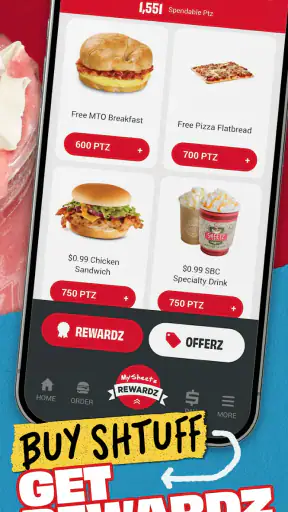
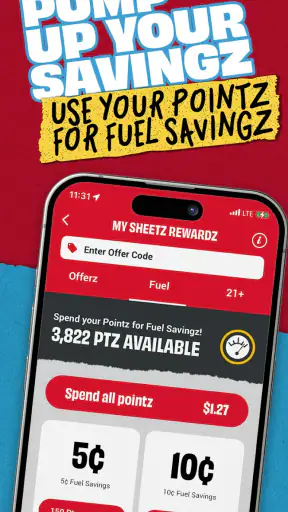
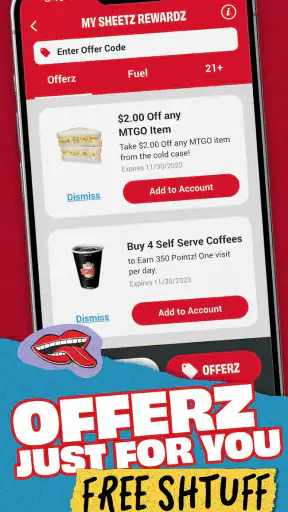
The rewards element is the main reason I would keep this app installed after a single order. A standalone ordering tool is useful at the moment of purchase; a connected rewards account can make repeated visits feel more organized. For someone who stops at Sheetz often, keeping orders and loyalty activity in the same app is more convenient than relying on memory or carrying a separate card.
Still, rewards are not equally valuable to everyone. If I visit Sheetz only once in a long while, the benefit may be too small to influence my decision. A reward program needs regular participation before it becomes a meaningful part of a routine. I would not choose a Sheetz meal solely because an app has a rewards section; I would use the rewards as an extra benefit when Sheetz already fits my route, budget, and taste.
The app’s free access makes that trial easy. There is no purchase price for the app itself, so an occasional user can test whether the ordering flow is worthwhile without paying for membership. The more important question is whether the food purchase and any delivery-related total make sense for the individual order. The app removes an entry fee, but it cannot make every transaction good value.
Where it compares well with ordinary alternatives
Compared with ordering in person, the app gives me more time to inspect the menu and make choices without holding up a line. That is the clearest advantage. In-person ordering can still be better when I am already inside, want something immediately, or need help making a decision. The app is not a replacement for human assistance in every situation; it is better at preparation and repeat ordering.
Compared with using a general delivery marketplace, the Sheetz app has a more direct relationship with the brand I am ordering from. That focus can make the experience feel less cluttered than searching through unrelated restaurants. On the other hand, a general marketplace may be preferable when I want to compare several restaurants, combine choices from different places, or use a delivery service I already know.
Compared with a mobile browser, a dedicated app should be more natural for repeated visits because the ordering and rewards experience is kept together. A browser can be perfectly adequate for someone who orders rarely and does not want another app installed. My preference is the app when Sheetz is part of my routine, because the convenience becomes noticeable over time rather than during just one session.
Small frictions that affect the experience
The focused design also creates limits. This is not a universal food-ordering solution, so its usefulness depends heavily on access to Sheetz and on whether the available ordering choices suit me. Someone looking for broad restaurant discovery will get more from a marketplace app. Someone who dislikes loyalty programs may see part of the app as unnecessary rather than helpful.
Customization can be useful, but it can also make an order take longer to assemble. I would avoid changing every available detail just because the option is there. For a group order, I would review each item carefully before checkout, since a small mistake becomes more annoying when several meals are involved. The app makes changes easier to organize, but it does not remove the need to pay attention.
Delivery also involves a convenience trade-off. Having food brought to me can save a trip, yet pickup may be the better value when I am already nearby. I would compare the final order total and timing with the effort of stopping at the store rather than selecting delivery automatically. Because the app itself is free, the meaningful cost decision happens at the food-order stage.
Another possible friction is dependence on a phone-based workflow. If my battery is low, my connection is unreliable, or I simply prefer speaking with staff, the traditional method may feel less stressful. I would keep the app as an option rather than treating it as the only way to order. That flexibility is particularly useful for people who move between commuting, traveling, and eating at home.
Technical details and who should install it
The app has been available since May 5, 2013, and its current version is 8.42.0.2072677045. It supports Android 8.0 and later, which means compatibility depends on how old the phone is. I would check the device requirement before planning around it, especially if I use an older Android handset.
It is rated for Everyone, so the age classification is broad and uncomplicated. Its scale is also a useful signal: the app has more than 1 million installs, an average rating of 4.7 from around 67 thousand ratings, and about 7.3 thousand written reviews. Those figures suggest that the app has reached a substantial audience and that overall user sentiment is strong, while still not proving that every ordering situation will work equally well for me.
I think the best audience is a regular Sheetz customer who wants to order ahead, use delivery when it genuinely helps, and keep rewards close to the ordering process. It is also a good fit for commuters, families placing several items at once, and anyone who dislikes making detailed food choices at a crowded counter.
I would be more cautious if I rarely visit Sheetz, mainly want restaurant comparison, or prefer not to manage loyalty accounts. In those cases, a browser or a general delivery app may be simpler. The app’s free download makes trying it low-risk, but “free” should not be confused with guaranteed savings. The value comes from repeated convenience and relevant rewards, not from avoiding the cost of the meal.
My verdict on the value
After using it, I see Sheetz Food Delivery & Rewards as a practical companion for people who already choose Sheetz, rather than a reason to choose Sheetz over every other food option. Its strongest feature is the combination of made-to-order ordering, delivery or pickup convenience, and rewards in one focused place. That combination is more useful than any one part by itself.
I would install it if Sheetz is on my regular route or if I often order food there for myself or other people. I would use pickup when I am already nearby, delivery when avoiding the trip is worth the total cost, and rewards as an extra benefit rather than a spending target. Those choices make the free app work harder without encouraging unnecessary orders.
I would skip it if I need a broad restaurant marketplace or only visit Sheetz occasionally. For everyone else, the app is easy to justify because there is no app purchase price, the age rating is Everyone, and the accumulated user response is notably positive. My final view is simple: install it for recurring Sheetz convenience, not as a promise of automatic savings. That is where its value feels real and where its limitations are easiest to manage.


